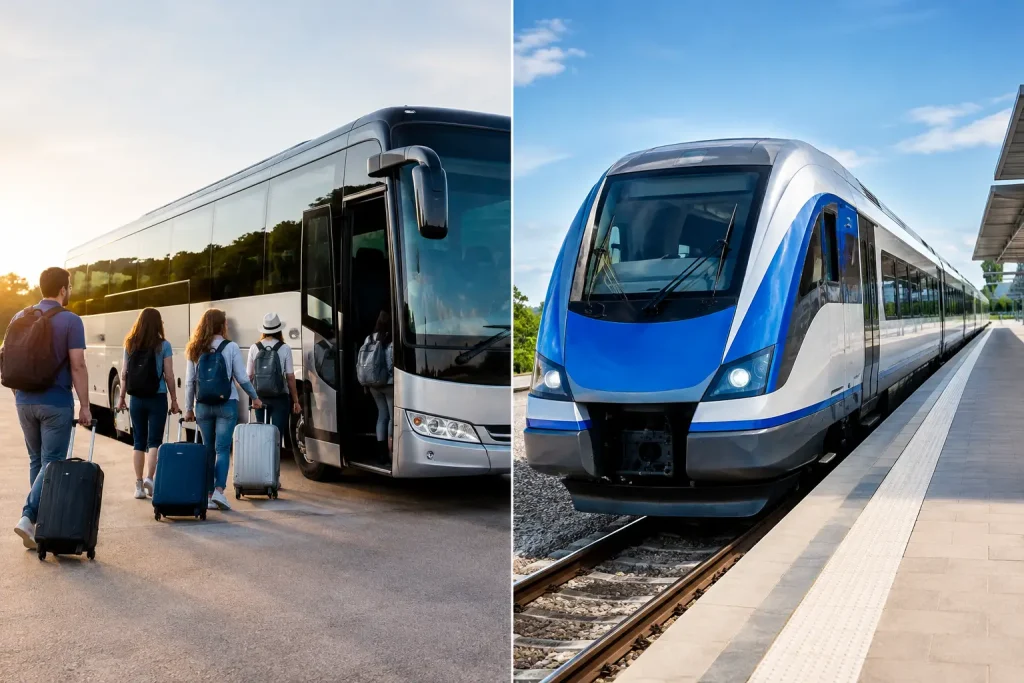
When a retreat starts with missed pickups, cramped seating and people ringing each other from motorway services, the day is already working against you. Corporate retreat transport is not a background detail. It sets the tone before the first presentation, workshop or team dinner has even begun.
For businesses planning an off-site, that matters more than it may seem. A retreat is usually designed to give people space to think clearly, reconnect with colleagues and step away from routine. If the journey feels disorganised or tiring, part of that value is lost before the group arrives. Good transport protects the schedule, reduces pressure on organisers and helps the day feel considered from the outset.
Why corporate retreat transport deserves more attention
Many retreats are planned with real care around venue, catering and agenda, yet travel is often treated as a final booking. That can work for very small groups, but once numbers increase, transport becomes one of the main factors shaping the experience.
People remember how a trip felt. They notice whether pickup points were clear, whether the vehicle arrived on time, whether there was enough room, and whether the journey itself was calm or frustrating. For leadership teams, HR managers and office coordinators, that means transport is part logistics and part hospitality.
There is also a practical side. When everyone travels together, timings are easier to manage. You avoid the common problems that come with multiple cars and staggered arrivals – parking issues, late starts, confused directions and unnecessary expense claims. A single, professionally managed plan usually creates fewer moving parts and a more reliable day.
What good corporate retreat transport looks like
At a premium level, the standard is simple. The vehicle should arrive on time, look presentable, feel clean and comfortable, and be driven by a professional who understands that service matters. That sounds basic, yet it is exactly where many group journeys succeed or fail.
Comfort is not a luxury for its own sake. On a retreat, people may travel for an hour or several. They may want to speak with colleagues, prepare for the day ahead or simply arrive feeling fresh. Spacious seating, a well-kept interior and a smooth journey all contribute to that.
Professionalism matters just as much. Corporate groups do not want uncertainty on the morning of travel. They want clear communication, confident scheduling and a service that feels under control. The right provider helps the organiser feel supported rather than burdened.
Choosing the right vehicle for the group
The most suitable option depends on group size, journey length and the tone of the event. A minibus often works well for smaller teams that want flexibility and a more private atmosphere. A luxury coach is usually the stronger choice for larger groups, especially when everyone is travelling from one meeting point or moving between several planned stops.
There is no value in booking too small and hoping people will manage. Tight seating, limited luggage space and a sense of crowding can make even a short trip feel longer than it is. On the other hand, booking far beyond your needs may not be the most efficient use of budget. The right balance is a vehicle that fits the group comfortably, with enough room for personal items, work bags or overnight luggage if needed.
It also helps to think about the style of the retreat. If the event is executive, client-facing or intended as a reward for high-performing teams, the standard of travel should reflect that. Premium transport reinforces the quality of the occasion in a way that a basic travel arrangement simply cannot.
The planning details that make the day run smoothly
The best corporate retreat transport plans are usually the least dramatic. That is because the organiser has worked through the practical details early.
Pickup and drop-off points need to be clear, realistic and easy for the group to use. In city centres, a technically convenient address is not always the most workable one if traffic, restrictions or roadside access make boarding awkward. Timing should also allow for real conditions rather than optimistic assumptions, especially for morning departures.
You will also want to confirm whether the journey is a straight transfer or part of a wider itinerary. Some retreats involve a single outward trip and return at the end of the day. Others include hotel collections, venue changes, evening dining or next-day departures. A transport plan should reflect the actual shape of the event rather than just the first leg.
Passenger communication is another area where organisers save themselves trouble. People should know where they are going, when they need to arrive and who to contact if they are delayed. A well-managed provider can make this feel simple, but it still helps to brief the group properly.
Common mistakes businesses make
One of the most common mistakes is leaving transport too late. Retreat venues often get booked well in advance, particularly during busy corporate periods, and transport availability can tighten around the same dates. Late booking can limit your options and reduce the chance of securing the most suitable vehicle.
Another issue is underestimating the journey itself. On paper, a route may look straightforward. In practice, roadworks, event traffic, school-run timings and city access rules can all affect the day. Experienced providers plan around those factors rather than reacting to them on the spot.
Some businesses also focus only on the quoted price. Cost matters, of course, but corporate travel is rarely improved by choosing the cheapest option without looking at service quality. If communication is poor, standards are inconsistent or the vehicle presentation disappoints, the hidden cost shows up in stress, delay and a poorer experience for the group.
Corporate retreat transport for multi-stop itineraries
Not every retreat begins and ends at one venue. Some start with collection from an office in Birmingham, continue to a country hotel in Warwickshire and finish with an evening restaurant booking before returning. Others involve airport pickups, hybrid teams joining from different locations or activity-based days spread across several sites.
In those cases, transport needs more than a driver and a route. It needs coordination. The provider should understand the event timetable, the order of stops and the amount of flexibility required if one part of the day runs over. This is where organised travel management becomes especially valuable.
A polished service can absorb complexity without making it visible to passengers. That matters because the group should be focused on the retreat itself, not on how they are getting from one part of it to the next.
Why premium transport often pays for itself
There is a tendency to see premium travel as an upgrade rather than a necessity. Sometimes that is true. But for corporate retreats, higher service standards often create practical value as well as a better impression.
A reliable, comfortable journey can improve punctuality, reduce admin, lower the risk of confusion and help teams arrive in the right frame of mind. It can also support company culture. If a business says it values its people, the retreat experience should reflect that in tangible ways, including how staff are looked after during the journey.
For organisers, there is peace of mind in knowing the transport side is being handled properly. That confidence is worth a great deal, especially when senior leaders, guests or larger teams are involved. Providers such as Zen Travels West Midlands LTD are often chosen for exactly that reason – not simply to move people, but to deliver a higher standard of care around the entire journey.
How to book with fewer surprises
The best starting point is to brief the transport provider clearly. Share group size, venue details, timings, luggage expectations and whether the event includes multiple stops or waiting time. If the retreat has a particular tone – formal, executive, celebratory or relaxed – say so. The right provider will use that information to recommend the most suitable arrangement.
It is also sensible to ask about the level of service rather than only the vehicle type. Punctuality, cleanliness, presentation and communication are what shape the day. A modern coach or minibus means little if the service around it feels disjointed.
Finally, build in a little breathing space. Retreat days are more enjoyable when the travel plan is realistic rather than tightly wound. A few extra minutes at collection or between locations can make the difference between a controlled schedule and one that feels rushed from the start.
A corporate retreat should feel considered at every stage, including the road between one moment and the next. When transport is handled properly, people notice less stress, more comfort and a stronger sense that the day has been planned with care. That is often what turns a simple journey into part of the experience itself.