When a corporate event starts with delayed arrivals, confused guests and last-minute taxi bookings, the rest of the day has to work harder to recover. Corporate event transport is often treated as a practical add-on, yet it quietly shapes punctuality, guest experience and how polished the whole event feels from the outset.
For organisers, that matters more than ever. A leadership away day, client dinner, awards night or multi-site conference may only last a few hours, but the travel around it affects the mood before anyone walks through the door. If guests arrive calm, on time and looked after, the event begins with confidence. If they arrive flustered, late or scattered across different vehicles, the tone is very different.
Why corporate event transport matters more than people expect
Transport is one of the few parts of an event that every guest notices, even if they never mention it directly. It influences timing, first impressions and the sense that everything is under control. Well-managed travel also reduces the pressure on the organiser, who should be focused on the event itself rather than chasing drivers, fielding calls and working out where people have gone.
There is also a reputational factor. For internal events, reliable transport shows respect for employees’ time. For client-facing occasions, it reflects standards. A smart, well-presented vehicle and a professional service team send a clear message before a presentation has even started.
That does not mean every event needs the most expensive option available. It means the transport should suit the occasion, the group and the level of expectation. A board meeting, for example, calls for a different approach from a team social or a staff shuttle between venues.
What good corporate event transport looks like
At its best, transport feels effortless to the passenger because the planning has been handled properly behind the scenes. Guests know where they are being collected, when they need to be ready and what happens next. The vehicle arrives punctually, the driver is professional, and the journey is comfortable enough for people to arrive refreshed rather than drained.
For group events, consistency is especially important. If one part of the group arrives early and another gets lost or delayed, the event schedule quickly starts to slip. That is why many organisers prefer a single transport plan rather than asking attendees to make their own way. It creates control, but it also creates a better shared experience.
Cleanliness and presentation matter as well. In corporate settings, details carry weight. A tidy, well-maintained minibus or coach supports the impression of professionalism. So does courteous service. Guests may forget the route, but they remember whether the journey felt well run.
Choosing the right vehicle for the event
The right vehicle is not simply a question of headcount. Group size is the starting point, but journey length, event style and passenger expectations all matter.
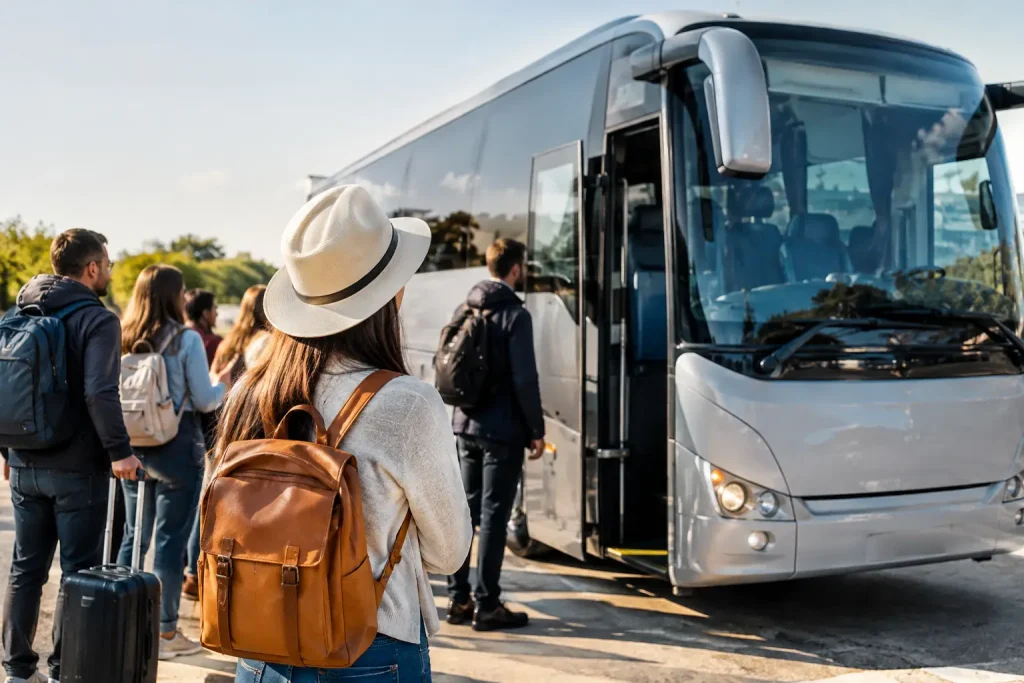
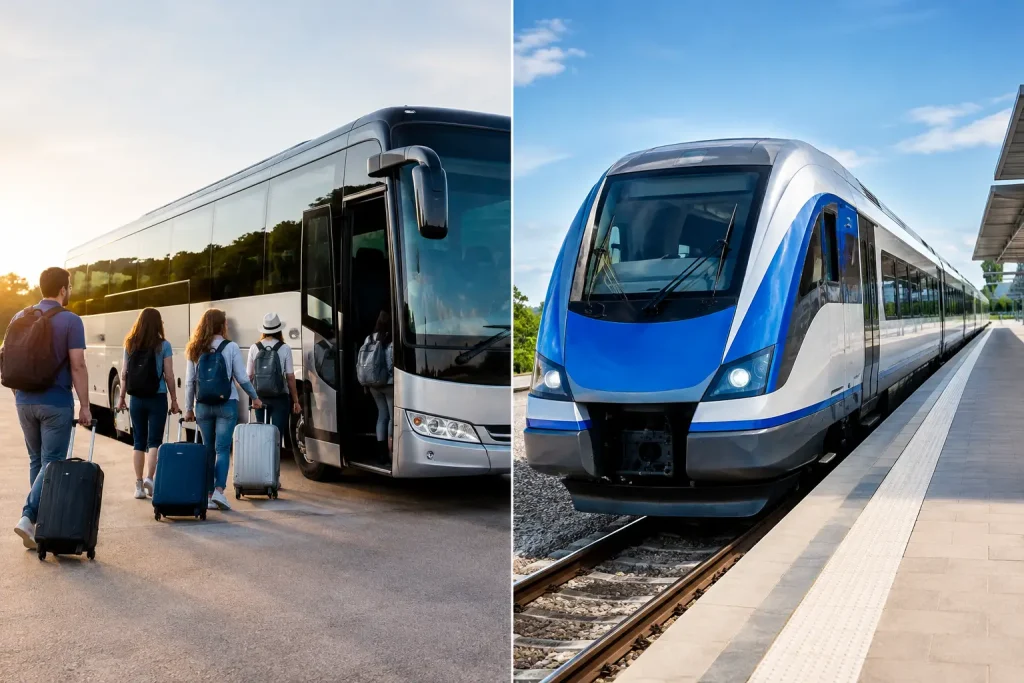
For smaller executive groups, a premium minibus can strike the right balance between comfort and efficiency. It keeps everyone together, allows for direct travel and avoids the stop-start feel of several separate cars. For larger conferences, awards evenings or company celebrations, a coach is often the more practical choice. It simplifies arrivals, reduces parking issues and helps the event begin and end in a coordinated way.
There is also the question of atmosphere. If the journey is part of the day rather than just a transfer, comfort becomes more important. A longer run from the West Midlands to a retreat venue, for instance, benefits from spacious seating, climate control and a calm onboard environment. When people are travelling for an early start or returning after a long evening, the quality of that journey is not a small detail.
The planning points that make the difference
Most transport problems are planning problems in disguise. The vehicle can be excellent, but if the collection schedule is unrealistic or the venue access has not been checked, the day can still become stressful.
Timing needs careful thought. It is sensible to build in margin for traffic, guest boarding and venue access rather than planning everything to the minute. This is especially true for city-centre venues, stadiums, exhibition spaces and evening events where congestion is harder to predict.
Pick-up and drop-off points should also be practical, not just technically possible. A location may look convenient on paper but be awkward for a large vehicle, difficult for guests to find or poorly managed at busy times. Clear instructions help, but local knowledge helps more.
Communication is another overlooked detail. Guests should know the collection time, location, expected journey duration and who to contact if needed. That reduces uncertainty and cuts down the stream of calls to the event organiser.
Corporate event transport for different event types
Not every booking has the same priorities. The strongest transport plans are shaped around the purpose of the event rather than a one-size-fits-all model.
For conferences and exhibitions, reliability and flow are the key concerns. Guests may be arriving from hotels, stations or offices, often within tight time windows. Here, transport needs to support a schedule and move people efficiently.
For client entertainment or hospitality events, presentation matters more heavily. The vehicle, the driver and the overall travel experience become part of how your business is perceived. Comfort and polish carry real value.
For team-building days or company retreats, the journey often sets the tone. A shared, relaxed trip can help the day feel more cohesive from the beginning. It is also far easier than leaving individuals to navigate rural venues, unfamiliar roads or limited parking.
For awards nights and evening events, safe and dependable return travel becomes a major advantage. Guests can enjoy the occasion without worrying about driving home, splitting up into multiple cars or waiting around for ad hoc transport.
Why group transport often beats individual travel
There are times when asking guests to travel independently works well enough. If attendance is highly local and informal, separate arrivals may be acceptable. But for many corporate events, individual travel introduces too much inconsistency.
People get delayed, park in different places, arrive stressed or miss key timings. Expense claims become harder to manage. Guests who are unfamiliar with the area may start the day in a poor frame of mind before the event has even begun.
Group transport offers more control and usually a better experience. It keeps the schedule tighter, reduces administration and creates a sense that the event is properly hosted. In regions such as Birmingham, Coventry and the wider West Midlands, where traffic patterns and venue access can vary widely, that level of coordination is often worth it.
What to look for in a transport provider
A transport provider for corporate work should offer more than a vehicle and a driver. The standard of service behind the booking matters just as much. Punctuality, vehicle presentation and professional communication are non-negotiable.
It also helps to work with a company that understands event logistics rather than only point-to-point travel. Corporate bookings often involve changing timings, guest lists, multiple stops or venue-specific access arrangements. A provider that can handle those details calmly adds real value.
Ask practical questions. How is the itinerary confirmed? What happens if timings shift on the day? How are pick-up details communicated? A polished service is usually visible in the answers. Confidence is useful, but clarity is better.
That is one reason businesses often choose a specialist with a premium service mindset. For organisers who want transport to reflect the quality of the event, a provider such as Zen Travels West Midlands LTD can offer the reassurance of comfort, presentation and dependable planning in one service.
The balance between budget and experience
Every event has a budget, and transport has to sit within it. Still, the cheapest option is not always the most economical once the wider event is considered. Late arrivals, poor coordination and a flat guest experience carry their own cost.
That said, premium transport is not about excess. It is about choosing a level of service that fits the importance of the event. Some occasions need a highly polished executive feel. Others simply need a comfortable, punctual and well-managed group journey. The right choice depends on who is travelling, how long they will be on the road and what impression the event needs to create.
A sensible transport plan should feel proportionate. It should support the event rather than overshadow it, while still showing guests that their comfort and time have been taken seriously.
Making travel part of the event, not a problem around it
The strongest events feel joined up from start to finish. Transport plays a bigger role in that than many people realise. It affects how people arrive, how the day runs and what they remember afterwards.
When corporate event transport is planned properly, guests are not thinking about directions, delays or whether they will get back on time. They are focused on the meeting, the celebration or the conversations that matter. That is exactly how it should be.
If you are planning an event, treat the journey with the same care as the venue and the agenda. Guests notice when travel has been thought through, and they notice when it has not. A well-run journey does more than move people from A to B – it gives the whole event a more assured start and a better finish.