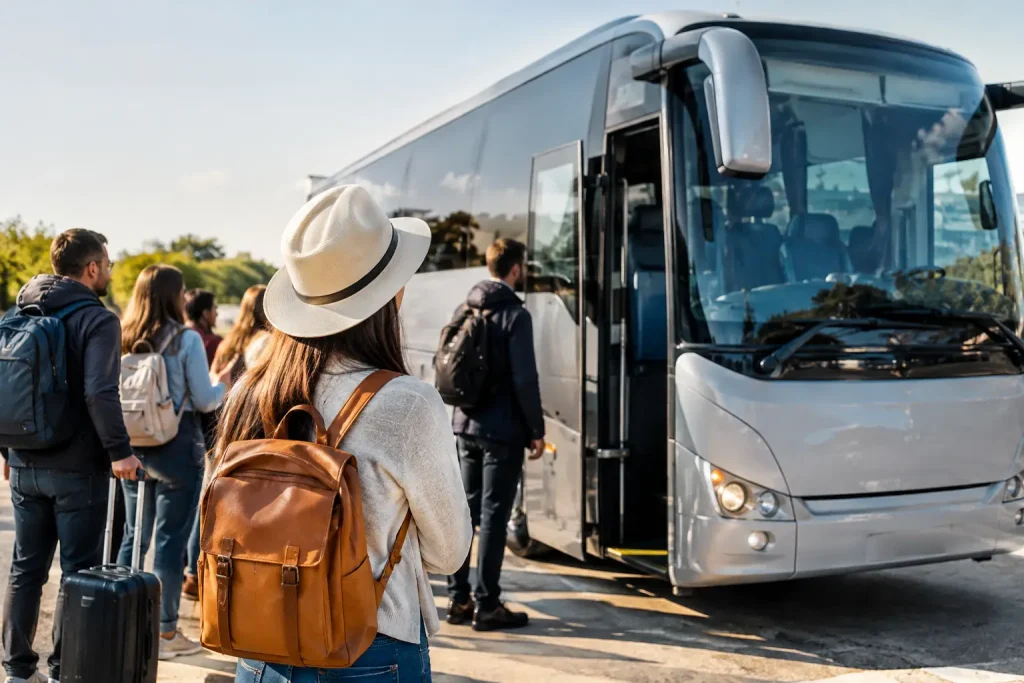
A group itinerary can look perfect on paper, then unravel at the first missed collection, cramped seat or unclear meeting point. Quality group tour transport UK planning gives every guest a calm, comfortable start and keeps the day moving as it should. Whether you are arranging a corporate away day, wedding guest transfers, a family celebration or a sightseeing tour, the vehicle and the service behind it shape the whole experience.
For organisers, the aim is not simply to move people between places. It is to make the journey feel looked after. That means accurate timings, a clean and well-presented vehicle, a courteous driver and a plan that allows people to enjoy the occasion rather than chase logistics.
What Great Group Tour Transport UK Looks Like
The best group travel feels straightforward because the detail has been handled before anyone boards. Your party knows where to be, when to arrive and who to contact. The driver understands the route, collection arrangements and any important stops. Luggage has a place, guests have room to settle in, and the itinerary has enough flexibility for real roads, real traffic and real people.
This matters particularly for journeys beginning in the West Midlands. A group travelling from Birmingham, Coventry, Wolverhampton or further across Warwickshire may be heading to London, the Cotswolds, the coast, an airport or a European departure point. Collection locations can be busy, and a day’s programme can include several venues. A professional transport partner brings order to those moving parts.
Luxury is not only about a polished vehicle. It is the confidence that guests will not be left waiting in the rain, trying to find separate cars or worrying about how they will get home. For a business host or event organiser, that confidence protects your reputation too.
Start With the Journey, Not the Vehicle
It is tempting to begin with passenger numbers and ask for the biggest available coach. Numbers are essential, but they are only one part of the decision. Start by mapping the journey: where people will be collected, how long they will be travelling, what they will bring, where breaks are sensible, and whether the group has different mobility needs.
A minibus can be an excellent choice for a smaller party travelling to a restaurant, race day, airport or private event. It keeps the group together without paying for unused capacity. A coach is often the better option for larger groups, longer touring days and journeys with substantial luggage. More space can make a noticeable difference when guests are travelling for several hours or wearing formal clothes for a wedding or corporate occasion.
Do not overlook the make-up of the group. School leavers on a day out, senior guests attending a family celebration and executives travelling to a conference may all need transport, but their priorities will differ. Comfort, boarding access, luggage space, collection points and the pace of the day should reflect the people on board.
Build realistic timings
A reliable itinerary is generous where it needs to be. Allow time for boarding, late arrivals, luggage loading, motorway traffic, venue access and comfort breaks. If you are attending a theatre performance, sporting fixture or cruise departure, work backwards from the required arrival time and include a sensible buffer.
Overly tight schedules create pressure for guests and drivers alike. A slightly earlier departure is usually preferable to beginning the day with a rushed journey. For multi-stop tours, agree which timings are fixed and where the group has flexibility. That makes it easier to respond calmly if conditions change.
Keep collection points simple
Several pick-ups can be useful, particularly for local groups spread across the West Midlands. However, every additional stop adds time and introduces another opportunity for delay. Where possible, choose collection points that are easy to find, safe for passengers and practical for a larger vehicle to access.
Give guests clear instructions in advance. Include the address, collection time, a suggested arrival time and practical guidance such as where to wait. For larger events, appoint one group contact who can confirm numbers and communicate with the driver if needed. One clear line of communication prevents conflicting messages on the day.
Comfort Is Part of the Itinerary
People remember how a journey felt. A visit to a beautiful venue can be undermined by a crowded, uncomfortable ride, while a well-managed coach journey can set a relaxed tone before the main event has even begun.
For day trips and tours, consider the time guests will spend seated rather than just the mileage. A journey of two or three hours each way deserves comfortable seating, a clean interior and a vehicle that feels appropriate for the occasion. For longer routes, planned stops are not a sign of poor organisation. They give passengers time to stretch, use facilities and return refreshed.
Temperature, luggage and presentation matter too. Guests arriving at a wedding, conference or dinner want to step off feeling ready, not flustered. If there are suitcases, golf bags, pushchairs, presentation materials or event equipment, raise this at the booking stage. A vehicle that fits the passenger count may not automatically suit the luggage requirement.
Choosing a Transport Provider With Care
Price will always be part of the conversation, but the lowest quote can prove expensive if it comes with vague communication, unsuitable vehicles or last-minute uncertainty. Group travel works best when your provider asks useful questions and gives clear answers before you commit.
Look for a company that can explain the proposed collection plan, vehicle suitability and booking process in plain language. Professionalism should be visible from the first enquiry. You should know what is included, who your point of contact is, and how changes will be handled if your itinerary develops.
For premium occasions, presentation deserves attention. A clean, well-maintained coach or minibus and a smart, courteous driver reinforce the standard you want guests to experience. This is especially valuable for corporate hospitality, weddings and client events, where transport is part of the impression rather than an invisible background detail.
Questions worth asking before booking
Before confirming your group tour transport, establish the passenger capacity and luggage allowance, the exact collection and return arrangements, and whether your schedule includes waiting time or additional stops. Ask how the provider manages route changes, delays and on-the-day communication. If accessibility, child seating or specific collection constraints apply, discuss them early rather than assuming they can be accommodated later.
The right provider will not make reasonable questions feel inconvenient. Careful planning is a positive sign. It shows that the operator understands the difference between simply providing a vehicle and delivering a dependable group travel service.
When a Private Coach or Minibus Makes Most Sense
Private transport is particularly valuable when the group needs to arrive together. That might be a team travelling to an off-site meeting, wedding guests moving between a ceremony and reception, or friends heading to a festival, race meeting or city break. It removes the complication of multiple cars, parking charges, designated drivers and guests arriving at different times.
It also gives you control over the schedule. Public transport can work well for small groups with simple, central routes, but it becomes less practical when timings are fixed, venues are rural, luggage is involved or the group includes people travelling from different areas. A private vehicle provides a single meeting point, a shared journey and a clear return plan.
There is a trade-off. Private hire may not be the cheapest option when judged only against individual rail tickets or car fuel. Yet its value becomes clearer when you consider parking, coordination, time lost to delays and the comfort of keeping everyone together. For many organisers, the reduced stress is worth as much as the practical convenience.
Make the Return Journey Feel Considered
The outbound journey gets most of the planning attention, but the return is where good service is often most appreciated. Guests may be tired after a full day of touring, a formal event or a late celebration. Confirm the final departure point, the intended leaving time and what happens if the programme runs over.
For evening returns, clear arrangements are particularly reassuring. People should know whether the coach will be waiting nearby, where it is permitted to stop and how they can reach the driver or group lead. A well-organised return allows guests to relax until the final mile.
When every detail is handled with care, transport stops being a logistical task and becomes part of the occasion. Zen Travels West Midlands LTD approaches group journeys with that standard in mind: professional planning, polished vehicles and service that lets your guests enjoy the road ahead.