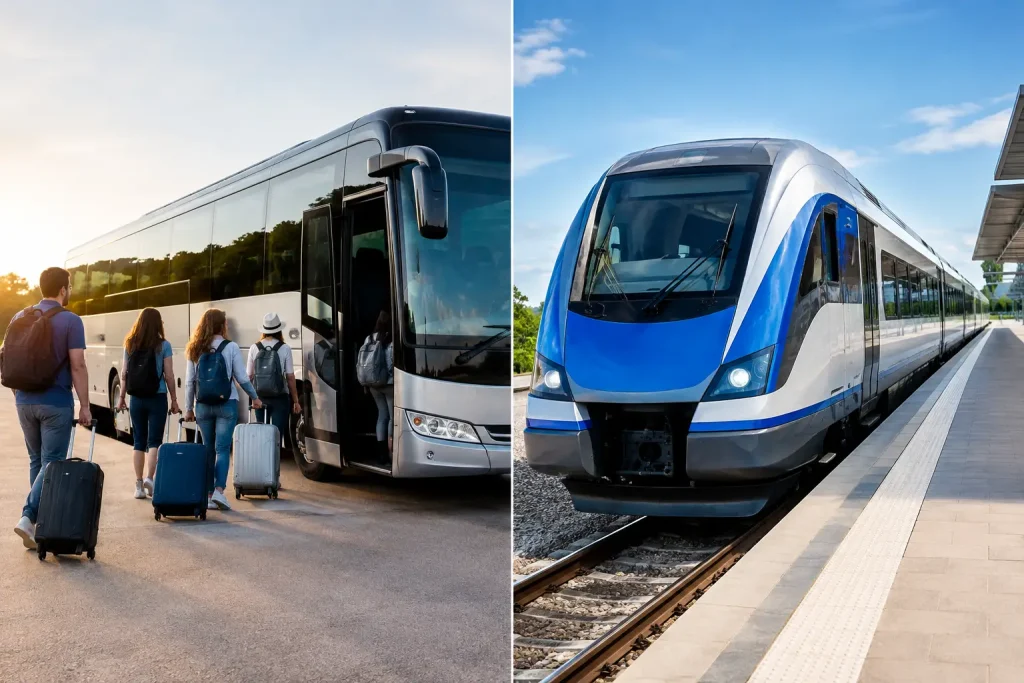
A coach that looks right on paper can feel very different once every passenger, suitcase, garment bag and piece of hand luggage is onboard. Choosing coach passenger capacity is therefore not simply a headcount exercise. It is about giving your group enough room to travel comfortably, arrive relaxed and keep the day running to plan.
For a wedding transfer, corporate away day or family holiday, the right vehicle makes the journey feel organised from the first collection point. The wrong one can leave people separated, luggage restricted or the whole party paying for more space than they genuinely need.
Start with the confirmed travelling party
Begin with the number of people who will actually be travelling, not the number originally invited. Ask for firm confirmations before requesting a final quote, particularly where guests may make their own way home, join at a later stop or bring a partner.
It is sensible to allow a modest margin if numbers are still moving, but avoid booking a much larger coach purely for a handful of possible additions. A vehicle with a few spare seats is usually ideal. It allows for late confirmations and gives your group a more relaxed boarding experience without turning the booking into unnecessary expense.
For smaller parties, a minibus may offer the right balance of privacy, efficiency and comfort. For larger groups, a full-size coach keeps everyone together and removes the need to coordinate several vehicles. That single point matters more than it first appears: one driver, one itinerary and one arrival time make event logistics much easier to manage.
Count the people who need a seat
The final figure should include organisers, children, tour leaders, photographers travelling with the party and any staff members who are joining the journey. Do not assume that a baby or young child will not affect capacity planning. Their seating and safety arrangements should be discussed when you enquire.
If the trip involves multiple pick-ups, prepare a simple passenger list by location. This helps confirm whether the planned capacity works at every stage of the route, rather than only after the final collection.
Choosing coach passenger capacity around luggage
Luggage is often the factor that changes the best vehicle choice. A group of 30 colleagues travelling to a day conference may need little more than coats, laptops and a small number of bags. The same 30 passengers departing for a week in Europe could have large suitcases, cabin cases and personal items that require considerably more hold space.
Be clear about what each passenger is likely to bring. For airport transfers, cruise departures, ski trips, sports tours and extended holidays, describe luggage in practical terms: large cases, golf clubs, musical instruments, pushchairs, equipment or bulky presentation materials. This enables the transport provider to plan for the load as well as the seats.
A coach should not be selected on passenger numbers alone if luggage is substantial. A slightly lower seat capacity with more suitable storage may deliver a far better experience than a fuller vehicle where every available compartment is under pressure.
Consider what happens during the journey
Think beyond the loading bay. Will passengers want easy access to medicines, children’s essentials, work materials or refreshments while travelling? Those items need to stay with them rather than disappear into the luggage hold. Give people advance guidance on what to keep close by, especially for longer journeys.
This small piece of planning keeps aisles clearer, boarding quicker and the cabin more comfortable for everyone.
Match capacity to the type of occasion
The purpose of the journey shapes what “enough room” really means. A full coach can be an excellent choice for a school visit or matchday group where the priority is moving everyone together efficiently. A corporate group travelling to a client event may value extra space for conversation, preparation and a more polished arrival.
Wedding transport has its own considerations. Formalwear, flowers, mobility needs and the timing of photographs can all affect boarding. If guests are travelling between a ceremony and reception venue, a well-planned capacity gives them room to settle in without creasing outfits or juggling bags around their feet.
For sightseeing tours and day trips from Birmingham, Coventry or elsewhere across the West Midlands, the route can be just as relevant as the group size. A compact vehicle may be better suited to narrow access roads, limited hotel forecourts or rural attractions, while a larger coach may be the natural choice for a high-volume group travelling mainly on major roads.
Leave room for comfort, not just compliance
Every passenger needs a seat, but premium group travel should not feel like a calculation pushed to its limit. When deciding whether to fill every available seat, consider the journey length, the age profile of the group and how much time people will spend onboard.
A short local transfer may work perfectly at full capacity. On a longer journey, a little more space can make a noticeable difference, particularly for older guests, families with children or teams travelling with hand luggage. The value is not only physical comfort. It is the calmer atmosphere that comes from having room to board, sit down and travel without fuss.
This does not mean the largest vehicle is always the luxury option. An oversized coach can feel impersonal for a small executive party and may add cost without adding meaningful benefit. The better choice is the vehicle that fits the group, the luggage and the journey with confidence.
Plan for accessibility and individual needs
Passenger capacity should also account for the needs of the people travelling. Let your transport provider know early if anyone has reduced mobility, uses a wheelchair, requires additional boarding time or has a medical consideration relevant to the journey.
Early communication allows the right arrangements to be considered properly rather than hurriedly on the day. It also gives organisers the opportunity to choose collection points that are practical, safe and comfortable for all guests.
Similarly, if your group includes very young children, discuss seating expectations and any child-seat requirements well before departure. Clear information supports a smoother boarding process and gives families reassurance from the outset.
Give your provider the full picture
The most accurate recommendation comes from a detailed enquiry. Alongside your passenger number, share the travel date, collection locations, destination, return time, luggage expectations and any stops planned en route. Mention if numbers are provisional and explain when you expect them to be final.
It is also helpful to flag restrictions at either end of the journey. A city-centre hotel, country house venue or busy wedding location may have limited turning space, timed access or a preferred drop-off point. These details can influence whether a minibus, mid-size coach or larger coach is the most practical fit.
At Zen Travels West Midlands, the aim is not to place every group into the same vehicle category. It is to understand the journey well enough to recommend transport that feels considered, punctual and comfortable from collection to return.
A simple check before you confirm
Before finalising your booking, review four things: the confirmed number of passengers, expected luggage, the nature of the route and any individual requirements. If all four are clear, capacity planning becomes straightforward and the chance of last-minute adjustments falls sharply.
The best group journeys rarely feel complicated to the passengers. They simply board a clean, well-presented vehicle, find their seat, store their belongings and enjoy the occasion ahead. Choosing the right capacity is one of the quiet decisions that makes that experience possible.